
(This article is Part 2 of HazMat Training Requirements. To avoid letting confusion about OSHA’s HAZWOPER standard cause non-compliance, we recommend starting with Part 1 for a complete understanding. We’ve found that most of the confusion surrounding training under the HAZWOPER standard is related to emergency response operations (paragraph q), so we’re diving into those […]
Continue reading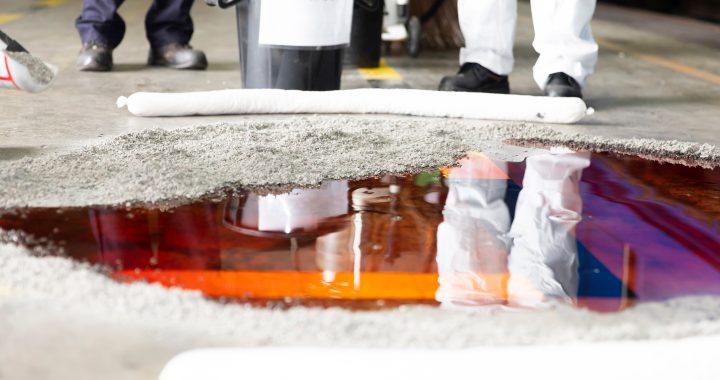
Don’t Let Confusion about OSHA’s Hazwoper Standard Cause Non-Compliance
HazMat Training Requirements Part 1: HAZWOPER Structure and Applicability The training requirements of the Occupational Safety and Health Administration’s Hazardous Waste Operations and Emergency Response (aka the HAZWOPER) Standard found in 29 Code of Federal Regulations (CFR) 1910.120 are often misunderstood. To test your understanding, let’s start with a simple question: True or False: The […]
Continue reading
Transaction Screen Assessments: What to Expect
A Transaction Screen Assessment, or TSA, is a type of environmental property assessment. It is essentially a scaled-back version of a Phase I Environmental Site Assessment (ESA). (Learn more about Phase I ESAs here.) When are TSAs used? TSAs are commonly used for residential, office, or undeveloped properties. These types of properties are generally expected […]
Continue reading
Management System Certification: Answers to Your Most Frequently Asked Questions
Does your sustainable business strategy include an effective environmental and safety management system? In today’s increasingly global industries and operations, obtaining certifications for your management systems can add credibility, raise awareness and competency, strengthen leadership, enhance legal and other compliance, mitigate risk, and demonstrate your commitment to exceeding your customers’ expectations. Although standards certifications are […]
Continue reading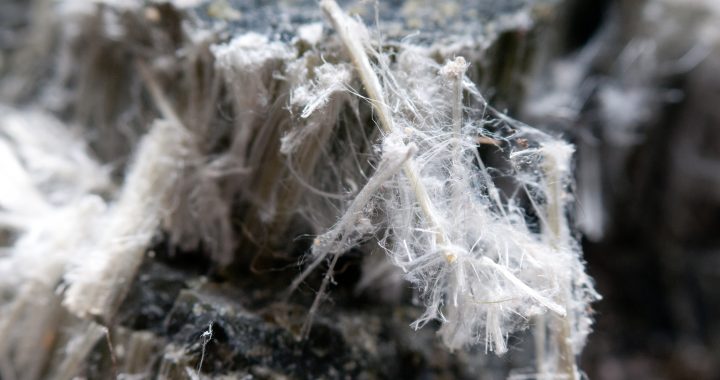
Dealing with Asbestos: FAQs
Are you dealing with the presence of asbestos in your facility? Here’s our answers to some frequently asked questions. What is asbestos? Asbestos is a naturally occurring mineral made up of long, thin, easily separated fibrous bundles. Asbestos was added to building materials to make them stronger and more temperature resistant. Buildings constructed as late […]
Continue reading