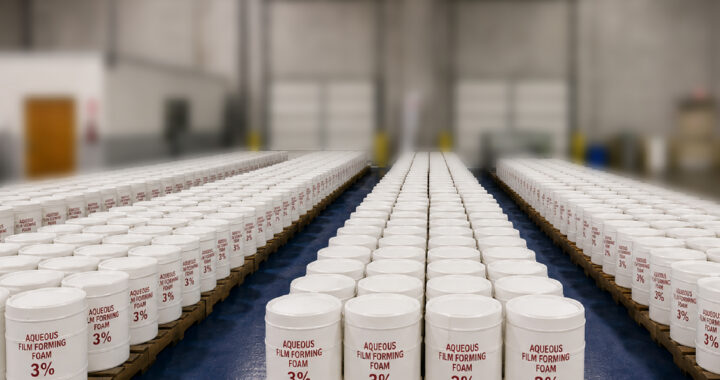
Florida’s Joe Casello Act (HB 1019) establishes new requirements for organizations that use aqueous film-forming foam (AFFF) and for certain public wastewater treatment facilities. The legislation creates a phased schedule for eliminating PFAS-containing firefighting foam and introduces new monitoring and reporting requirements for qualifying wastewater utilities, with the first compliance deadline beginning on July 1, […]
Continue reading
Ensuring Workplace Safety: Navigating the EPA’s New Standards for Methylene Chloride
On May 8, 2024, the U.S. Environmental Protection Agency (EPA) issued a final rule targeting the hazardous health risks posed by Methylene Chloride. The mandate prohibits all consumer applications (e.g., paint and coating strippers) and most commercial uses of Methylene Chloride. It mandates enhanced safety protocols for workers under a Workplace Chemical Protection Program (WCPP) […]
Continue reading
Navigating EPA’s RMP Rule: Safer Communities by Chemical Accident Prevention
On March 11, 2024, additional requirements were finalized for companies that manufacture, distribute, process, or use chemicals regulated under the Environmental Protection Agency’s (EPA) Risk Management Program (RMP). These amendments to the RMP Rule, known as the Safer Communities by Chemical Accident Prevention Rule, became effective on May 10, 2024, with several requirements extended through […]
Continue reading
PFAS MCLs Finalized
On April 10, 2024, U.S. EPA announced finalization of drinking water standards, also known as Maximum Contaminant Levels (MCLs) for six per- and polyfluoroalkyl substances (PFAS) and a Hazard Index MCL for mixtures of specific PFAS. MCLs and non-zero MCL Goals are enforceable standards for public drinking water systems. The new PFAS MCLs are expected […]
Continue reading
Safety Gap Analyses to Reduce Incident Rates at Utilities
Safety gap analyses are systematic assessments used to identify discrepancies between existing safety measures and desired safety standards. When applied to utility sites, these analyses can significantly contribute to reducing incident rates by addressing and mitigating safety gaps. Here’s how safety gap analyses work in this context: Identifying Current Safety Practices: The first step involves […]
Continue reading