
Spring is just around the corner. And so is our 2021 Client Education Series. Once again, we’re holding our complimentary workshops virtually so that anyone anywhere can benefit from guidance on a wide range of important topics – from hazmat training to measuring your business’ carbon footprint. Interested in registering for one of our complimentary […]
Continue reading
What is vapor intrusion, and should my property be assessed for it?
(Part 1 of a 3-Part Series) What is vapor intrusion? Vapor intrusion (VI) is the migration of vapor-forming chemicals from any subsurface contamination into an overlying enclosed space that can pose a threat to indoor air quality. Vapor-forming chemicals may originate from contaminated soil, groundwater, sewer, or other sources. These sources of contamination may be […]
Continue reading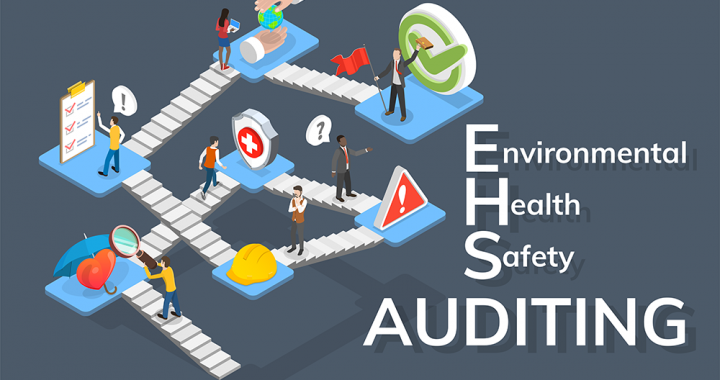
EHS Auditing: How self-auditing improves performance and reduces punishment
How well is your company complying with federal, state and local environmental, health and safety (EHS) regulatory requirements? How well is it complying with its own internal EHS standards and documented procedures? These are questions EHS auditors assess when conducting an EHS audit, which most companies, regardless of size, have as an important, ingrained business […]

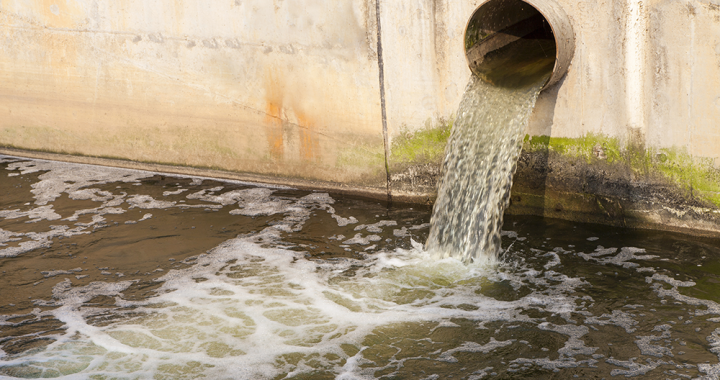
EPA’s 2021 Multi-Sector General Permit (MSGP) Effective March 1, 2021
The U.S. EPA issued the 2021 stormwater Multi-Sector General Permit (MSGP) on January 15, 2021. Facilities that are covered under the EPA’s MSGP must file a new Notice of Intent (NOI) to be covered under the new permit no later than May 30, 2021. States with their own MSGPs will likely incorporate features/aspects of the […]
Continue reading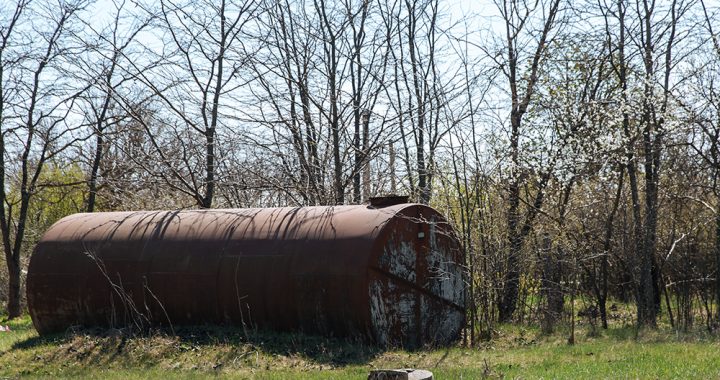
What is a Phase I Environmental Site Assessment?
A Phase I Environmental Site Assessment, or a Phase I ESA, is typically the first step in the environmental due diligence process that identifies potential environmental concerns for a property. A Phase I ESA is useful for a potential purchaser to understand environmental issues they may be inheriting. The current and historical operations of the […]